
Factors Impacting New Home Construction Costs
- Bill Douglas
- Mar 2
- 4 min read

Building a new home is an exciting journey. However, understanding the factors that influence the cost is essential to plan your budget wisely. In Charleston, SC, and the Lowcountry, several unique elements affect the price of constructing a custom home. I want to walk you through these factors clearly and simply, so you feel confident as you move forward.
Understanding New Home Construction Costs in Charleston, SC
When you think about new home construction costs, it’s important to realize that the price is not just about the size of the house. Many variables come into play, especially in the Lowcountry region. These include land prices, labor availability, material costs, and local regulations.
For example, land in Charleston can vary widely in price depending on proximity to the coast or downtown areas. Labor costs may be higher here due to demand for skilled workers. Additionally, building codes and environmental regulations can add to the complexity and cost of your project.
To get a realistic estimate, you should consider:
Land acquisition costs: Location and lot size matter.
Labor expenses: Skilled tradespeople are essential but can be costly.
Material prices: Quality and availability impact your budget.
Permits and inspections: Required by local authorities.
Design complexity: Custom features increase costs.
These factors combine to shape the overall new home construction cost you will face.

Key Factors That Influence New Home Construction Costs
Let’s break down the main elements that affect your building budget:
1. Location and Land Costs
The location of your new home is a major cost driver. In Charleston and the surrounding Lowcountry, land prices can vary dramatically. Waterfront lots or properties near historic districts tend to be more expensive. Additionally, some areas may require special site preparation due to soil conditions or flood zones.
2. Size and Design of the Home
The square footage of your home directly impacts material and labor costs. Larger homes require more resources. The design also matters. Simple, rectangular floor plans are usually less expensive than complex layouts with multiple angles, custom features, or high-end finishes.
3. Materials and Finishes
The choice of materials can make a big difference. For example, opting for hardwood floors instead of carpet or granite countertops instead of laminate will increase costs. Local availability of materials can also affect prices. Shipping materials to the Lowcountry may add to expenses.
4. Labor and Contractor Fees
Skilled labor is essential for quality construction. In Charleston, demand for experienced builders can drive up labor costs. Choosing a reputable contractor who understands local building codes and climate considerations is crucial. Their fees will reflect their expertise and the quality of work.
5. Permits, Inspections, and Regulations
Building permits and inspections are mandatory. The cost and time required for these vary by municipality. In coastal areas, additional regulations related to flood zones and environmental protection may apply. These can add to both the cost and timeline of your project.
6. Site Preparation and Utilities
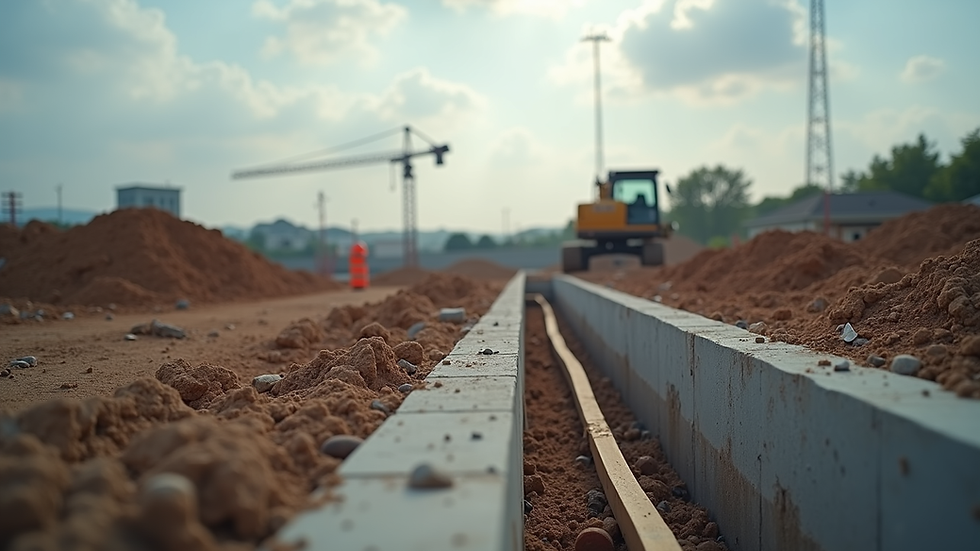
Preparing the land for construction can involve clearing trees, grading, and installing utilities like water, sewer, and electricity. If your lot is in a remote area, these costs can be significant. Soil quality and drainage also affect foundation work and overall expenses.
7. Unexpected Costs and Contingencies
It’s wise to budget for unexpected expenses. Weather delays, changes in material prices, or design modifications can increase costs. Setting aside a contingency fund of 10-15% of your budget helps manage surprises without stress.
Is $200,000 Enough to Build a House?
Many people ask if $200,000 is enough to build a home in Charleston or the Lowcountry. The answer depends on several factors, including the size, location, and quality of materials.
For a modest-sized home with basic finishes on an affordable lot, $200,000 might be feasible. However, in many parts of Charleston, this budget may be tight once you factor in land costs, permits, and labor. Custom features or larger homes will require a higher budget.
Here are some tips if you want to build on a $200,000 budget:
Choose a smaller footprint: Focus on efficient use of space.
Simplify the design: Avoid complex rooflines or custom details.
Select cost-effective materials: Use durable but affordable options.
Consider less expensive neighborhoods: Land prices vary widely.
Work closely with your builder: They can help optimize your budget.
Ultimately, clear communication with your builder and careful planning are key to making your budget work.

How to Manage and Control Construction Costs
Keeping your new home construction costs under control requires proactive steps. Here are some practical recommendations:
Set a realistic budget early: Include all costs, not just construction.
Prioritize your needs and wants: Focus on must-haves first.
Get multiple quotes: Compare contractors and suppliers.
Choose local materials and labor: This can reduce transportation costs.
Plan for energy efficiency: It may cost more upfront but saves money long-term.
Stay involved during construction: Regular site visits help catch issues early.
Avoid last-minute changes: These often increase costs and delays.
By following these steps, you can build your dream home without unexpected financial stress.
Why Working with a Local Builder Matters
Choosing a builder familiar with Charleston and the Lowcountry is a smart move. Local builders understand the unique challenges of the area, such as weather patterns, soil conditions, and building codes. They also have established relationships with local suppliers and subcontractors.
A local builder can help you:
Navigate permitting and inspections smoothly.
Select materials suited for the coastal climate.
Avoid costly mistakes related to site preparation.
Ensure your home meets all local regulations.
This expertise often results in better quality and fewer surprises, making your investment safer.
Building a new home is a significant commitment. By understanding the factors that impact new home construction costs, you can plan effectively and make informed decisions. Whether you are working with a budget of $200,000 or more, knowing what influences your expenses helps you build a home that fits your needs and dreams in Charleston and the Lowcountry.
For more detailed information on new home construction cost, feel free to explore resources or consult with experienced local builders who can guide you every step of the way.


Comments