
Factors Impacting New Home Construction Costs
- Bill Douglas
- Mar 2
- 4 min read

Building a new home is an exciting journey. However, understanding the factors that influence the cost is essential to plan your budget wisely. In Charleston, SC, and the surrounding Lowcountry, several elements can affect how much you will spend on your dream home. I want to share insights that will help you navigate these costs with confidence.
Understanding New Home Construction Costs in Charleston, SC
When you think about new home construction costs, it’s important to realize that the price tag is not just about materials and labor. Location plays a big role. Charleston’s unique climate, local building codes, and the availability of skilled labor all impact the overall cost.
For example, building near the coast may require additional measures to protect against humidity and flooding. These can include elevated foundations or special waterproofing, which add to expenses. Also, the demand for construction services in the Lowcountry can influence labor rates.
Here are some key factors that affect new home construction costs in this region:
Land preparation and site conditions: Clearing trees, grading, and soil quality can increase costs.
Materials: Prices fluctuate based on availability and shipping costs.
Labor: Skilled tradespeople in Charleston may charge more due to demand.
Permits and inspections: Local regulations require permits that come with fees.
Design complexity: Custom designs with unique features cost more than simple layouts.
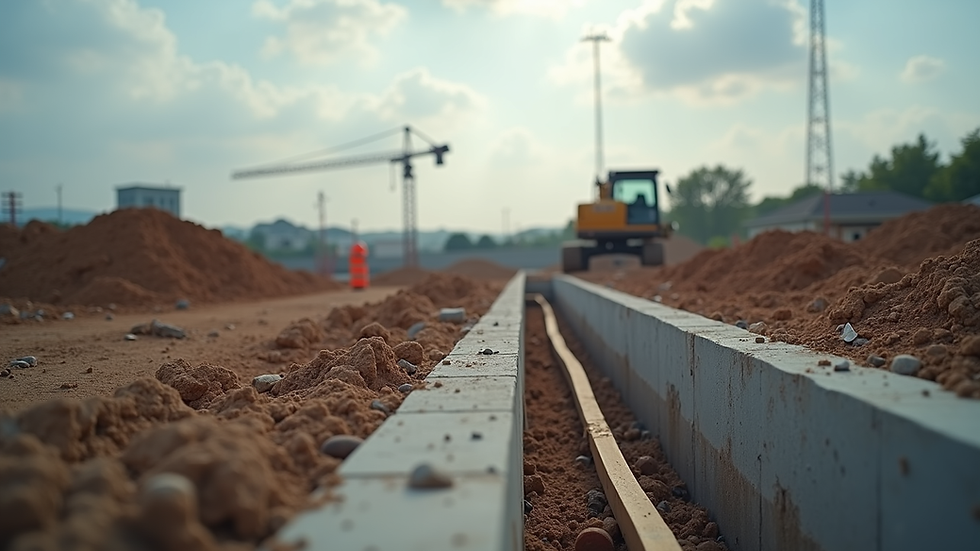
Major Factors That Influence New Home Construction Costs
Let’s break down the main factors that you should consider when budgeting for your new home.
1. Land and Site Preparation
The cost of the land itself is just the beginning. Preparing the site can be costly depending on the terrain. For example, if your lot has uneven ground or dense vegetation, you will need grading and clearing. In some cases, soil testing and stabilization are necessary to ensure a solid foundation.
2. Building Materials
Material costs can vary widely. Lumber, concrete, roofing, and finishes all have price swings based on market demand and supply chain issues. Choosing local materials can sometimes reduce costs and support the community. However, specialty items or imported materials will increase your budget.
3. Labor Costs
Labor is a significant part of the budget. Skilled workers such as electricians, plumbers, and carpenters are essential. In Charleston, the demand for these professionals is high, which can drive up wages. Hiring a reputable builder who manages subcontractors efficiently can help control labor expenses.
4. Design and Custom Features
The complexity of your home design affects costs. Simple, rectangular homes are less expensive to build than those with multiple angles, custom cabinetry, or high-end finishes. Adding features like large windows, porches, or energy-efficient systems will also increase the price.
5. Permits and Regulations
Local building codes and zoning laws require permits and inspections. These fees vary by municipality but are necessary to ensure safety and compliance. In Charleston, coastal regulations may add extra requirements, such as hurricane-resistant construction.
6. Utilities and Infrastructure
Connecting your home to water, sewer, electricity, and internet services can add to the cost. If your lot is in a remote area, these expenses may be higher. Planning ahead with your builder and utility providers can help avoid surprises.
Is $200,000 Enough to Build a House?
Many people ask if $200,000 is enough to build a house in Charleston or the Lowcountry. The answer depends on several factors, including the size, location, and level of customization.
For a modest, basic home on a prepared lot, $200,000 might cover the essentials. However, if you want a larger home with custom features or if your lot requires significant preparation, this budget may fall short.
Here are some considerations:
Size: Smaller homes cost less to build. A 1,200 square foot home will be more affordable than a 2,500 square foot one.
Materials: Choosing standard materials helps keep costs down.
Design: Simple floor plans reduce labor and material expenses.
Location: Building in a well-developed neighborhood with existing infrastructure is cheaper than a remote site.
If your budget is limited, focus on prioritizing your must-haves and discuss options with your builder. They can help you find cost-effective solutions without sacrificing quality.

How to Manage and Control Construction Costs
Managing your budget during construction is crucial. Here are some practical tips to keep costs under control:
Work with an experienced local builder: They understand the regional challenges and can provide accurate estimates.
Set a realistic budget: Include a contingency fund for unexpected expenses.
Choose materials wisely: Balance quality and cost by selecting durable but affordable options.
Simplify your design: Avoid overly complex features that increase labor and material costs.
Stay involved: Regularly communicate with your builder to monitor progress and expenses.
Plan for energy efficiency: Investing in insulation and efficient systems can save money long-term.
Final Thoughts on New Home Construction Costs
Building a new home in Charleston, SC, and the Lowcountry is a rewarding experience. Understanding the factors that impact costs helps you make informed decisions. From land preparation to design choices, each element plays a role in your budget.
Remember, the new home construction cost is not just a number. It reflects the quality, safety, and comfort of your future home. By planning carefully and working with trusted professionals, you can create a home that fits your needs and your budget.
If you want to explore your options or get a detailed estimate, reach out to local experts who know the area well. They can guide you through the process and help turn your dream home into reality.


Comments